top of page


Lottery supported activities

Lottery project
COMMUNITY BAT WALK


1/5
Our first bat walk
We are very excited to have hosted our first bat walk this August in collaboration with Worcestershire Bat Group. A record number of 55 local residents attended the event at Laugherne Brook to learn about our local bat species, and how to use bat detectors from local bat expert Matthew Terry. We even spotted some Soprano Pipistrelles and Common Pipistrelles flying above the brook!
Lottery project
WCG Bioblitz


1/6
Bioblitz at Worcester Community Gardens
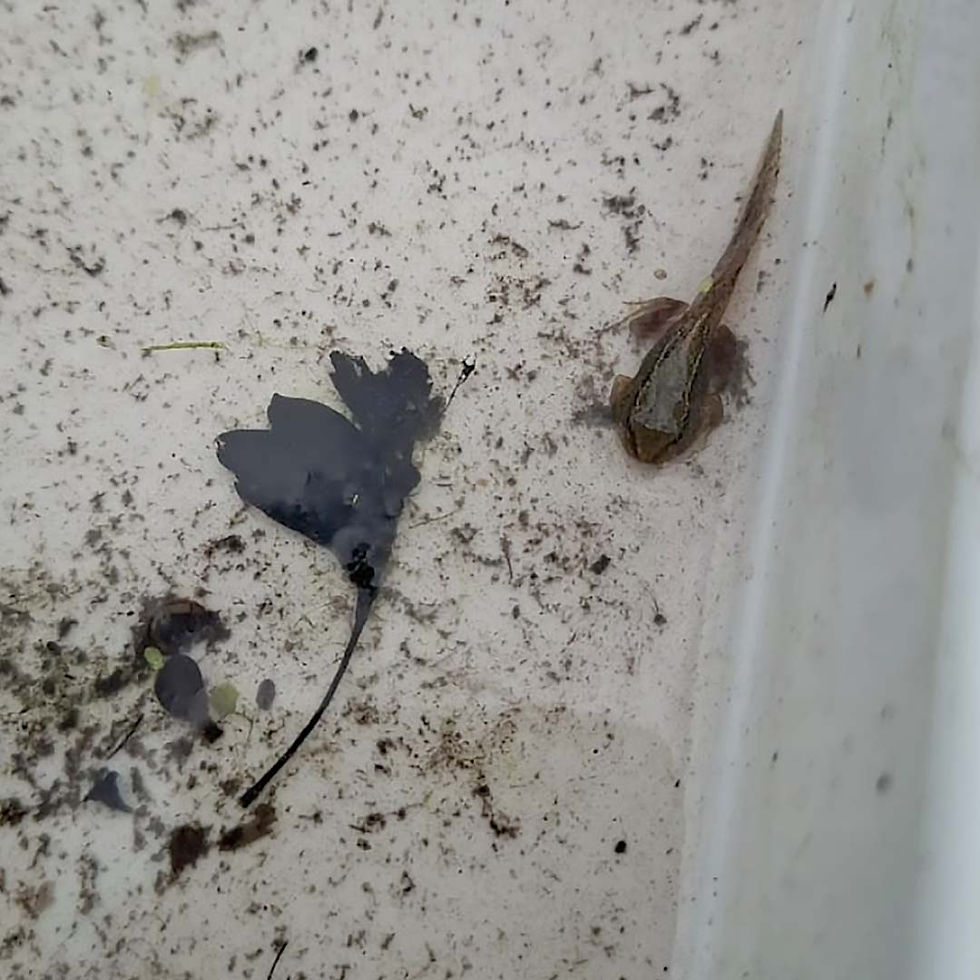
This Summer we invited Worcester locals to join a bioblitz of the Worcester Community Gardens with the goal of teaching residents and Community Garden members how they can carry out their own wildlife surveys. We collected species data for the Worcester Community Garden to start monitoring what species they are attracting with plans of making an annual event to investigate what impact the new wildlife garden and future bog garden will have on the biodiversity of the site. We had a great time taking part in the Big Butterfly Count, pond dipping and insect catching with our findings being added to INaturalist, contributing to the Global Biodiversity Information Facility which supports global conservation and scientific research.
Lottery project
Balsam Bashing


1/6
Himalayan Balsam Bashing
WEG Volunteers have had a very busy Spring/Summer removing invasive Himalayan Balsam from areas around Worcester’s Waterways including Laugherne Brook, Cherry Orchard Nature Reserve and Northwick Slip. Himalayan Balsam produces a large quantity of sweet-smelling nectar attracting pollinators away from native wildflowers as well as outcompeting them for space by growing into 2-3m tall monocultures, which are very damaging to local biodiversity. Whilst very invasive we have already seen visibly reduced numbers in areas where removals have taken place in previous years, so by continuing this work we hope to continue this decline, removing Himalayan Balsam from around our waterways and allowing our native flora to thrive.
bottom of page